Dětská psychoterapie: Kdy ji dítě potřebuje a jak funguje
When a child struggles, they don’t always have the words to say what’s wrong. dětská psychoterapie, specifický přístup k léčbě emocionálních a chovatelských potíží u dětí, který využívá hru, příběhy a bezpečný vztah místo jen hovoru. Also known as dětská terapie, it is not a quick fix but a way to help children understand their feelings when they can’t yet name them. Unlike adult therapy, it doesn’t rely on talking through problems—it builds trust through play, drawing, or even just sitting together. This is why a child might spend half a session building a tower with blocks instead of answering questions. That tower? It’s their language.
Many parents think, "My child is just going through a phase." But when the phase lasts longer than a few months—when your child refuses to go to school, starts wetting the bed after years of being dry, or withdraws completely from friends—it’s not just a phase. separační úzkost, intenzivní strach z oddělení od rodičů, který překračuje vývojově přirozený období a může znemožnit normální život affects one in ten children. And autismus terapie, cílená podpora pro děti s poruchou autistického spektra, která se zaměřuje na komunikaci, citovou regulaci a bezpečné vztahy isn’t about "fixing" the child—it’s about giving them tools to navigate a world that often feels overwhelming. These aren’t rare issues. In fact, half of all children who need help with emotions will show signs before age ten.
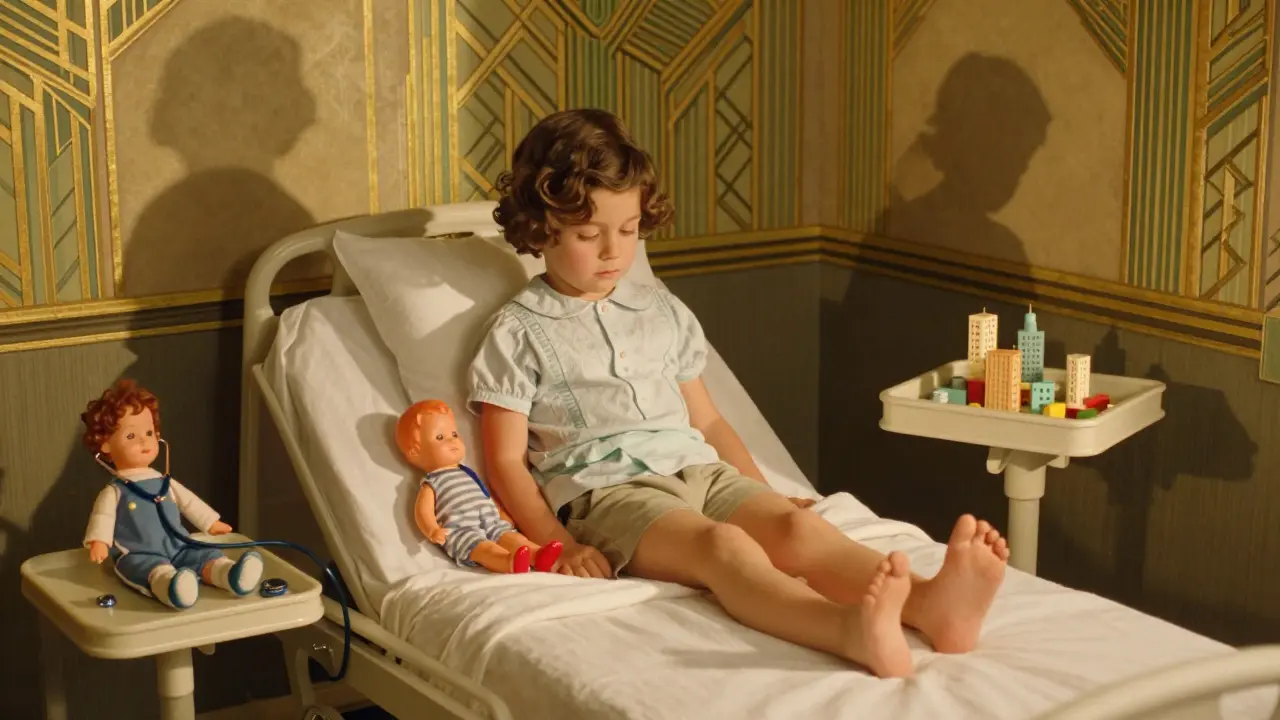
What happens in a session? It’s not what you see in movies. There’s no couch, no clipboard, no "what do you feel?" Instead, the therapist might roll out playdough, ask the child to draw their family, or sit quietly while the child tells a story about a dragon who’s afraid of the dark. The therapist listens—not just to the words, but to the silence between them. They watch how the child holds a toy, whether they avoid eye contact, or if they suddenly laugh when talking about school. These are the clues. And over time, they help the child feel seen—not corrected, not judged, just understood.
You don’t need to wait for a crisis. If your child has been quieter than usual for weeks, if they suddenly hate bedtime, if they keep saying "nobody likes me"—these are signals. You don’t have to be a perfect parent to ask for help. You just have to care enough to try. And help is out there—not in big hospitals, but in quiet rooms with therapists who know how to sit with a child’s pain without rushing to fix it.
In the articles below, you’ll find real stories from parents who’ve walked this path, clear answers about how therapy works for kids, and practical tips on how to talk to your child about seeing a therapist—without scaring them. You’ll learn why play matters more than words, how to recognize when a child’s behavior is a cry for help, and what to expect in the first session. This isn’t about labels. It’s about giving your child a safe space to be themselves.